Lesson planning takes too long. The three hours were never the plan.
Lesson planning takes too long because a 45-minute lesson is never one lesson, and in special education it is never one version either. It’s the plan, the practice page, the version for the students who need another way in, and the note for the sub who’ll read it cold at 7:40 tomorrow morning. Most of those hours go to rebuilding things you’ve built before. Cut that hour first.
You already work hard. Working harder is not the fix, and nobody who has cleared the same copier jam three times in one prep period needs a lecture on effort.
Why lesson planning takes too long
Watch a planning evening from above and most of it is assembly. One document for the plan. Another tab for the standards. A search for a practice page that’s close enough, then another for a picture that isn’t terrible. Then the whole thing again, slower, for the students whose IEPs say the lesson has to reach them a different way. Then the sub note, written for someone who was never inside your head.
Four pieces, and most nights all four start from a blank page. The thinking part, what students should be able to do by the end and how you’ll know, is the shortest stretch of the night. The rest is rebuilding.
Should you plan the differentiated version first?
Yes. The usual order is the lesson first, then the accommodations, bolted on Friday afternoon from a list of IEPs taped inside the planner. By the time you reach them it’s late, you’re tired, and the adapted version turns into the thin one: fewer problems, a lower ceiling.
Flip it. In a resource room or a co-taught class, start with the student who needs the most roads in: the picture support, the worked example, the problem broken into steps, extra time, the chance to answer out loud or point instead of write. Keep the target exactly where it was. Write the accommodations into the body of the plan, in the step where they happen, where a sub will trip over them.
Then look at what you built. It’s a better lesson for the whole room, and the “main” version is the same plan with a few supports students can pick up or leave on the table. Same target. More roads.
Plan the goal check into that same version while you’re there. A mark on an IEP data collection sheet during practice costs seconds, and it’s what tells you on Thursday whether the roads worked. More on that in Progress monitoring in special education is for the next lesson.
How do you stop rebuilding every lesson from scratch?
Most good lessons share a skeleton: a way in, a short teach, practice together, practice alone, and a way to find out who got it. Make the opening and the closing the same moves every day, the same warm-up routine and the same exit-question format, and every new plan only has to fill the middle. Kindergarten phonics or eleventh-grade chemistry, the skeleton holds.
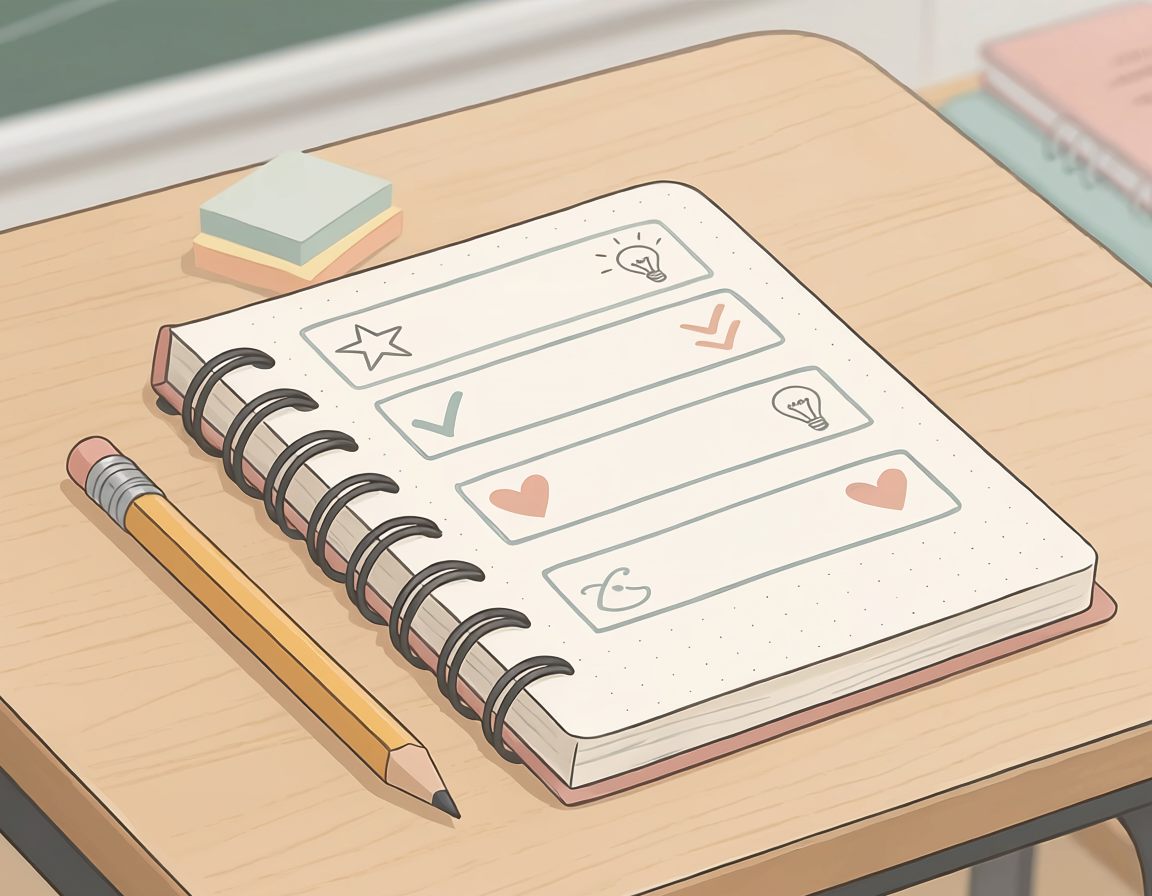
Students who know the shape of the hour spend their attention on the content instead of on guessing what happens next. Write the spine down once, on a page you can copy. The first time takes an evening.
After that it’s done.
Is it faster to plan by day or by piece?
By piece. Planning Monday, then Tuesday, then Wednesday means switching between five kinds of work five times. Write the whole week’s warm-ups in one sitting, then all the exit questions, then the practice. Each kind of thinking stays warm while you’re in it, and you catch the moment Wednesday’s warm-up turns out to be Monday’s warm-up wearing a fake mustache.
The practice page is where most of the rebuilding hides, so decide what it’s for before you make one. Here’s how we think about when a worksheet earns its place.
How do you write sub plans for a special education classroom?
The sub note usually gets written last, at ten at night, as its own document.
Skip it.
Write the plan itself so that someone who has never met your class could teach from it: what students should be able to do by the end, what to say first, what the practice is, and what to do with the student who finishes in four minutes or the one still staring at number one. In a special education classroom, add the three things a stranger can’t guess: who pulls which student and when, which accommodations happen in which step, and what calms the room when the schedule changes.
That plan does two jobs. It’s the sub plan when you’re out, and it’s the plan you can reuse next year, because it doesn’t lean on shorthand only you remember. A plan written for a stranger is a plan written for your future self, who by next September is something of a stranger too.
Should you use a tool to plan faster?
For first drafts of pieces you were going to edit anyway, yes. A set of practice problems at three levels of difficulty, or a short passage at a particular grade level. Anywhere a rough start saves you from the blank page and your judgment does the rest.
For the part only you know, no. It doesn’t know which student needs fewer problems on the page, who shuts down when the text gets dense, or that the fire drill ate Tuesday. A generated plan without your judgment on top is a plan for an average class, and nobody has ever taught one of those.
Read anything it hands you the way you’d read a plan from a colleague you haven’t worked with yet. Useful. Yours to fix.
Why write lesson plans in pencil?
Because the best planning habit takes one minute, right after the lesson: mark the plan up. What ran long. Which example landed. The question nobody could answer, and why. Two lines in the margin, before the next group comes through the door.
Next September that plan comes back already knowing how it went. A plan written in pencil, expecting to be reused, gets better every time you teach it. A plan written in pen, expecting to be thrown out, gets written again from the beginning. At ten at night. With the mug going cold.